Our Services
Comprehensive development programs addressing the multifaceted needs of rural and tribal communities in Anakapalli, Alluri Sitarama Raju, and Visakhapatnam Districts
Building capacities of people's institutions and representatives for tribal self-governance through Panchayat Raj Extension to Scheduled Areas (PESA).
Key Achievements:
- Implementation of PESA Act in its true spirit
- Gram Sabha empowerment as supreme authority
- Formation of Sarpanch forums at Panchayat, Mandal, and divisional levels
- Leadership training for 300+ Sanga leaders
Water, sanitation, and hygiene education through children and village committees, ensuring access to clean water and promoting community health.
Key Achievements:
- Gravitational drinking water structures built in 3 villages
- Community well construction and rainwater harvesting
- Hygiene awareness through health camps
- Strengthened 120 Anganwadi centers
Comprehensive eye care services and disability rights protection with focus on visually challenged individuals. Promoting Vision Centers for preventive, promotive, curative, and rehabilitative care.
Key Achievements:
- 480 eye care clubs formed
- 1,712 IOL surgeries and 10,200+ refraction tests conducted
- 790 spectacles distributed to visually challenged persons
- 43 disability pensions accessed, 57 disability certificates issued
- 3 vision centers established (Paderu, Ravikamatham, Adda Road)
- 88 VCPs trained in orientation, mobility, and daily living skills
Comprehensive maternal and child care interventions including prenatal, perinatal, and postnatal support. Early child intervention and preventive care services.
Key Achievements:
- Health awareness camps conducted regularly
- 1,300 children enabled with birth registrations and certificates
- Emergency health drives for seasonal diseases
- 120 Anganwadi centers strengthened for better healthcare delivery
Promoting food sovereignty through grain banks, sustainable farming, and natural resource management. Supporting farmers with Wadi/Maa Thota horticulture programs.
Key Achievements:
- 146 grain banks facilitated in villages for food security
- Rs. 9 lakhs support for grain procurement
- 1,000 acres of tribal land under Maa Thota (horticulture) covering 1,000 families
- 5 Farmers Producers Companies (FPC) formed across 5 mandals
- Kitchen garden kits distributed to 1,500 families
Inclusive education for children with special needs (CWSN), tribal children, and girl child. Enrollment, mainstreaming, and protecting tribal culture and identity.
Key Achievements:
- 1,310 children retained in schools
- 180 children enrolled via 6 alternate schools
- 1,200 notebooks distributed to school children
- 38 VCP children integrated into regular schools
- 3,000 children acquired primary education through 50 centers
- Smart classrooms/AI labs in Eluru and Visakhapatnam (ONGC partnership)
Financial empowerment through Mutually Aided Cooperative Thrift and Credit Societies (MACTS). Promoting women's self-help groups and economic independence.
Key Achievements:
- 100 women groups (Mahila Sangams) formed
- 6,000 Adivasi women empowered through 6 MACTS in 5 mandals
- Economic empowerment to 4,000 women
- Skill building: Computer training, garments, electrical, plumbing
- Value addition for minor forest produce (Adda leaf, tamarind, honey, broom sticks)
Supporting alternative livelihoods through skill development centers, value addition of forest produce, and sustainable income generation for vulnerable families.
Key Achievements:
- 420 vulnerable families sustained by Adda leaf plate stitching
- 830 tribal youth trained as cadre for rights advocacy
- Human Resource Development center at Chodavaram for skill building
- Production and marketing of Girijan and Drusti products through DPO/BPO
- Livelihood security to 120 vulnerable families through income generation
Environment protection through horticulture, social forestry, and plantation in tribal lands. Sustainable land, forest, and water management.
Key Achievements:
- 424 villages with micro-level plans
- 358 Community Action Groups formed
- 54 Village Development Councils formed
- Irrigation facility to 240 acres (1992-95 tank de-siltation program)
- 4 Rural Haats constructed for rural market improvement
Ensuring dignity and peaceful life of grandparents through committees, grain banks, seed capital, medical services, and physiotherapy. Addressing tribal core issues affecting vulnerable communities.
Key Achievements:
- 5,000 grandparents supported under Support A Grand Parent Programme
- Formation of committees and networking for elderly care
- Grain bank and seed capital activities
- Medical and physiotherapy services provided
- Physiotherapy unit maintained for children, elderly, and PWD
- Governance: PESA (Tribal self-governance) implementation
- Livelihoods: Land, Forest & Water security
- Food Insecurity: Addressing hunger and food sovereignty
- Displacement: Protection of tribal lands and rights
- Persons with Disabilities (PWD) Rights: Focus on visually challenged
- Health Insecurity: Comprehensive healthcare access
- Right to Education: Enrollment, mainstreaming and protecting tribal culture & identity
- Tribal Culture and Identity: Preservation and promotion
- Protection of natural resources, land, forest and water
- Tribal self governance (PESA)
- Livelihoods
- Food Insecurity
- Displacement
- Persons with Disabilities (PWD) Rights
- Health Insecurity
- Right to Education
- Value addition and marketing to get fair price
About the Scheduled Tribes
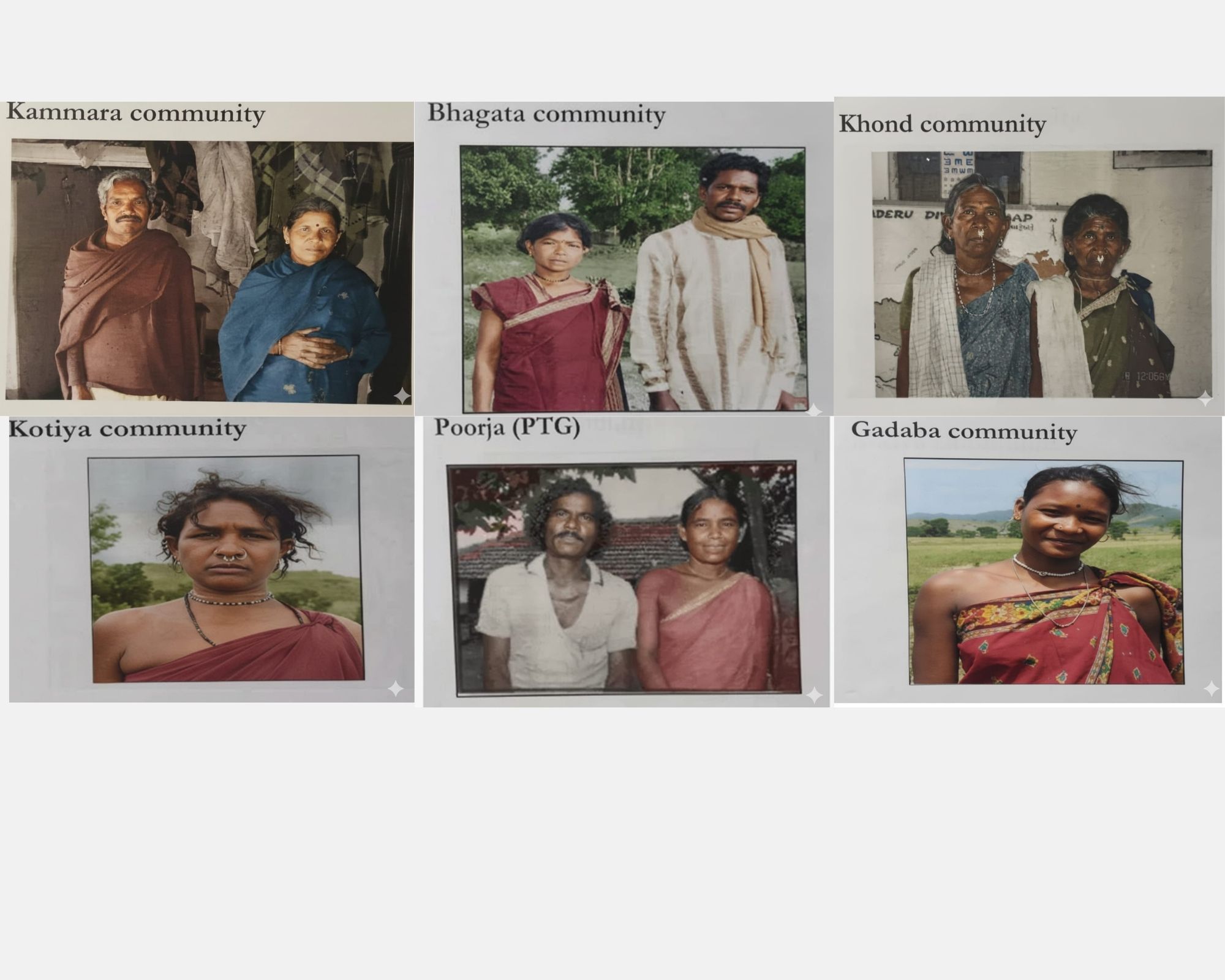
Scheduled Tribes (Adivasis) are some of the oldest indigenous communities of India, with distinct social, cultural, linguistic, and economic identities.
- India is home to 461 distinct Scheduled Tribe (Adivasi) groups
- The total Scheduled Tribe population in the country stands at approximately 677.58 lakh
- The state of Andhra Pradesh has 33 recognized Scheduled Tribe groups
- The Scheduled Tribe population in the state is around 4.2 million, accounting for 6.31% of the total state population
- The Paderu Division is one of the most prominent tribal regions in Andhra Pradesh
- It consists of 15 Adivasi groups
- Tribal communities in this division constitute approximately 13.74% of the state's total tribal population
Our Impact
Measurable results from integrated development approach across tribal areas